Sunday, July 29, 2012

traveling through Basque Newfoundland

From New York to St. John's Newfoundland. There is a energy in the city, the harbour works late, the lights are on all night. The influence of oil money shows.
The harbour at night
 From there to Port Rexton to begin the Newfoundland travels.
Port Rexton
I crossed from one side of the island to the other. We saw so many trees and long straight roads slicing through forests and bouncing over hills. For moments, hours or days I would stop to study Basque ports en route. The Basque presence in Newfoundland and Labrador is visible, I started to become adept at recognizing good natural harbours and deep anchorages.
Port au Choix-one of the Basque ports.


green, dusty and traveling

Returned from Newfoundland and Labrador, it was absolutely amazing trip. I was researching the Basque (whaling) ports and looking at rocks as always.

This whole trip can can best be described as a journey of traveling. I started in Connecticut with very dear friends (trying desperately to return to the human state post jet lag). I then travelled to New York for 24 intense hours before reaching Ottawa by plane.


road / pavement crossing in Danbury from the bus to New York City

Outside Manhattan
I have been using my phone camera as a notebook, for a visual diary of these travels. New York was hot and dusty but now has a familiarity to it.

gorgeous orange school buses

Times Square
The ultimate NYC experience: Times Square at night. I am somewhat allergic to crowds but the wonderment of brightly-coloured lights supersedes that. I grew up in a village without pavements and street lights, the inner child in me sees the fairy lights... 


Tuesday, May 22, 2012

Pasaia

Pasaia harbour
Pasaia is made up of four separate communities, the focus is the harbour and it is a real working harbour not a quaint tourist resort. I love this about the place. The image above was taken from the ferry boat that crosses the harbour enabling me to avoid the long double bus ride around the harbour.

Pasaia Donibane is one long street with the most gorgeous stone buildings- worn sandstone everywhere. I have tried to be dispassionate but this little town enters into the blood stream and demands to be loved.
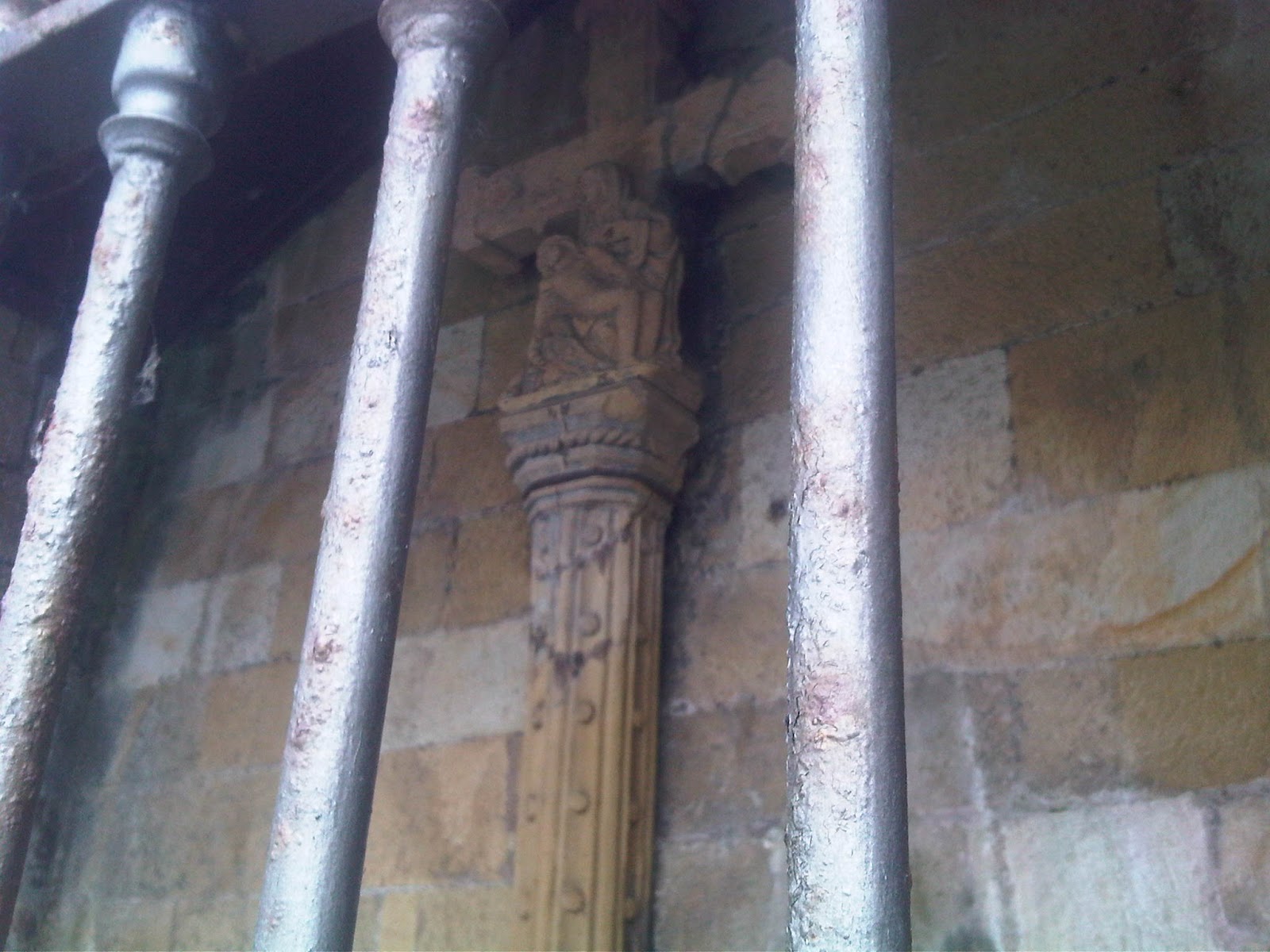
Humilladero de la Piedad, shrine 16-17th century originally carved from the rock face 


Pasaia from the tiny ferry
There doesn't seem to be strict town planning like more northern Europe. Beautiful stone facades are overrun with electrical conduits and external plumbing. Everything is jumbled together. It is part of the charm but it must make it more challenging to live in.

hot fog

From yellow to turquoise, I landed in Bilbao en route to San Sebastian and it was suddenly over 30 degrees centigrade. As I journeyed through a Basque countryside in dusk all took on hues of blue turquoise.


Days of weather changing from over 36 degrees centigrade to a cool 18 with a fog that came in. It was a hot fog: warm, enveloping but strangely secure. Above 15 metres and things started to disappear. I'd not experienced warm fog blankets like these before.

outskirts of Pasaia harbour

slices of fog slipped over the road.

The lighthouse Pasaia San Pedro
I walked the two hours to San Sebastian wrapped in sea fog and dipping into sun pools-when the strong southern sun broke gaps in the clouds. I have taken this walk before or I wouldn't have trusted myself to make it over the tree roots and stones and slices of vertical cliff face.

canola fields

These were days of yellow, there were so many canola fields in full bloom. They glowed warmly against the grey skies. I was staying outside Oxford for a few days with family. It was beautiful but the cool weather was intimidatingly cold for May. 
Dusk over canola fields on the bus through Oxfordshire
I'm using a hand me down "Blackberry" that has become a new favourite camera because it has so many limitations and an almost random shutter, that takes the image at an unexpected moment. 

rushing past canola fields during day time, photograph taken from  the car
Suburban housing from the train to London
These travels were literally about that: traveling; the journey was part of the entire experience. When I reached Paddington station en route to Heathrow they were still doing building work. The blue wood hoardings splashed color over the cool white painted steel.


temporary rain shelter under building work at Paddington station
 

Tuesday, April 24, 2012

following flysch

For years I have grown more and more excited about rocks. From Basque Spain we went to Hendaye in Basque France to follow the "flysch" coast. An absolutely fascinating edge and I found one of the very few places where I could access the rocks from the ground.


The surf had been very big for a few days and it felt as if I was witnessing rapid erosion.


The entire coastline is made up of huge contorted rocks. It is was day with powerful waves and intermittent horizontal rain, polishing the glistening rocks further. It was beautiful but too soggy to draw.

Wet rocks

I have returned to the calm of home and northern Europe doesn't feel so cold anymore. Spain was wonderful but so unbelievably wet. It is not for nothing that their northern coast is called green. It was a week of learning about the landscape and experiencing the places first hand. I am researching the Basque whalers from approximately 1530 to 1610. Part of the reason for this is that it ties in with my earlier work in Newfoundland. I will be working in Newfoundland and Labrador later this year where the Basque fishermen hunted for whales in this period.

The Basque region is a country that feels enterprising and industrious particularly on the Spanish side. Basque sailors were the first to create factory ships when in the mid 1600s they built whale oil refineries onboard their ships. The same passion for invention extends today and the region around San Sebastian and Bilbao is rich in factories.

Walking from Pasaia to Hondaribba
I was working in Pasaia, a deep natural harbour that was one of the most important whale fishing ports. The narrow entrance to the port between huge vertical sloping rocks meant this port never silted up, unlike some of the neighboring ones. The place is now far sleepier than in its heyday. It has charm, it is an old port hugged by indifferent urban development. Gorgeous 16th century houses are followed by anonymous apartment blocks. There is a strong feeling of being in a living environment, people really work and play here, the old centre hasn't yet been re-created for tourists.